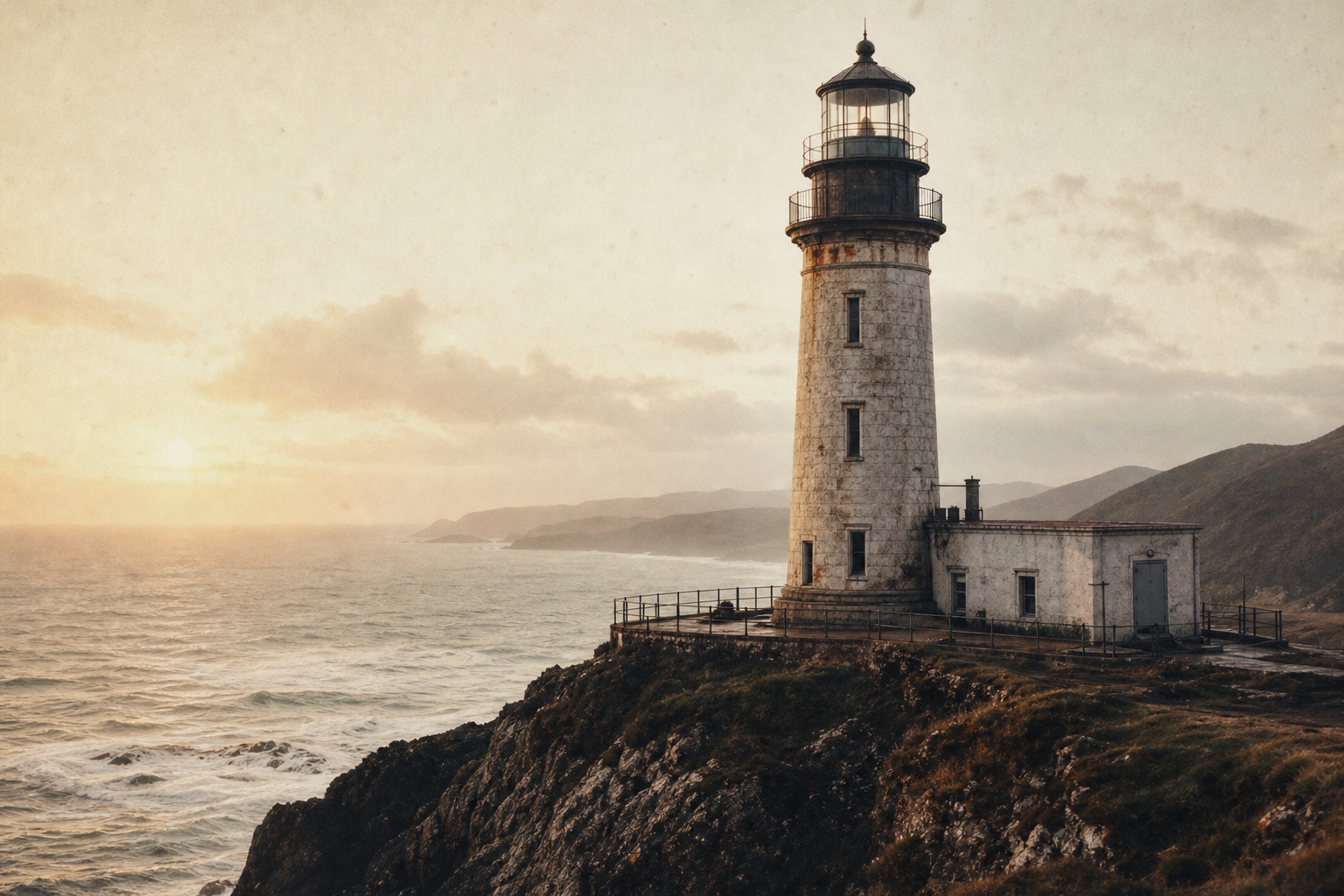
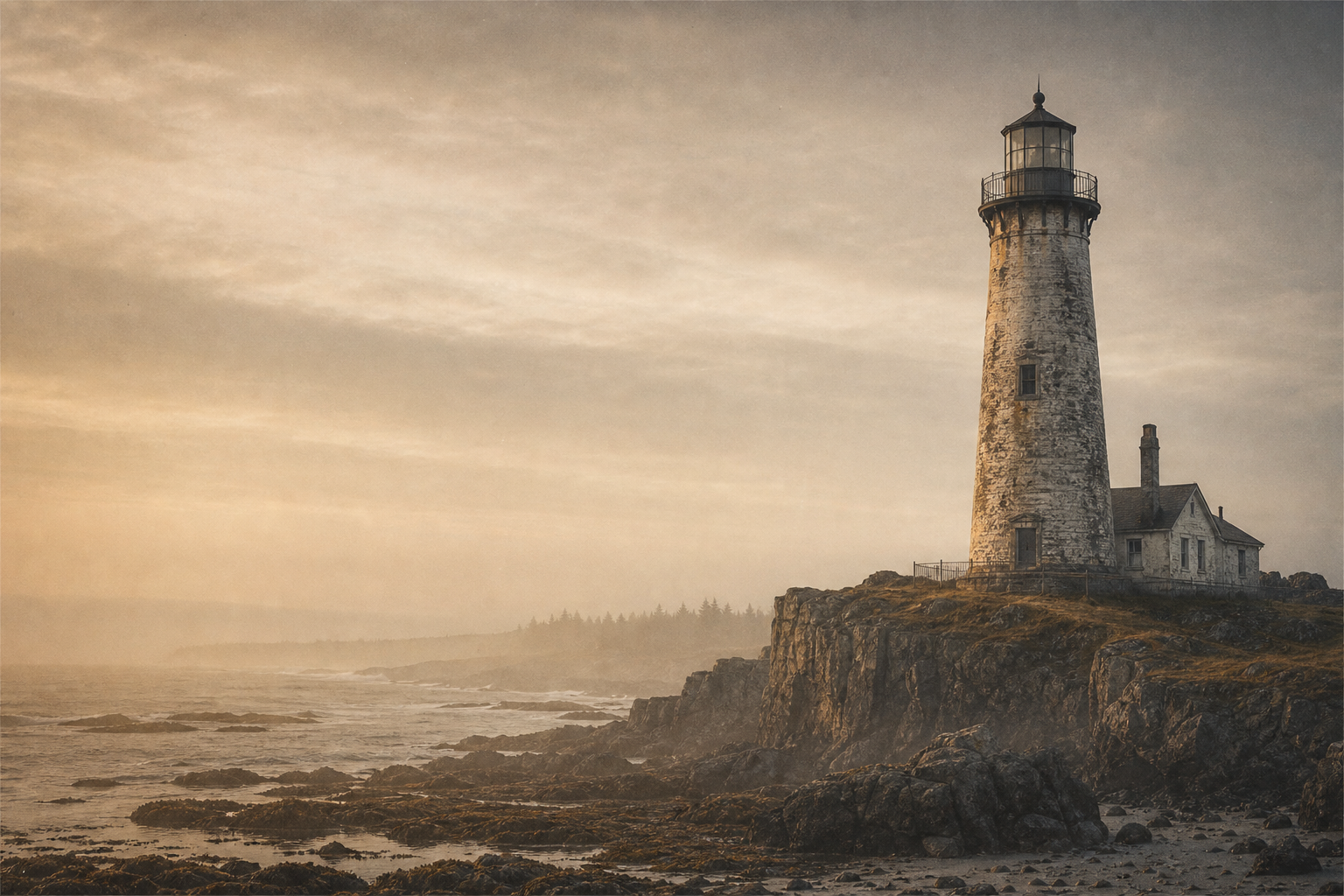
Weathered stone lighthouse on a misty northern shoreline at dawn, with soft film grain atmosphere and muted coastal light

Beacons Along the Northern Coast

Archive photographs, keeper stories, and preserved towers from a coastline shaped by signal, weather, and memory.

A calm historical reference for readers tracing maritime heritage across time, weather, and place.

  • Archive Photos
  • Keeper Accounts
  • Preserved Sites

A Coast Written in Light

Before charts were precise and engines were dependable, these towers turned dangerous water into a readable route home.

Along the northern coast, fog banks could erase the horizon in minutes while rocky passages waited just beneath a shifting tide. Merchant sloops, fishing crews, and mail steamers depended on fixed beams and timed signals to interpret distance, direction, and risk when landmarks disappeared.

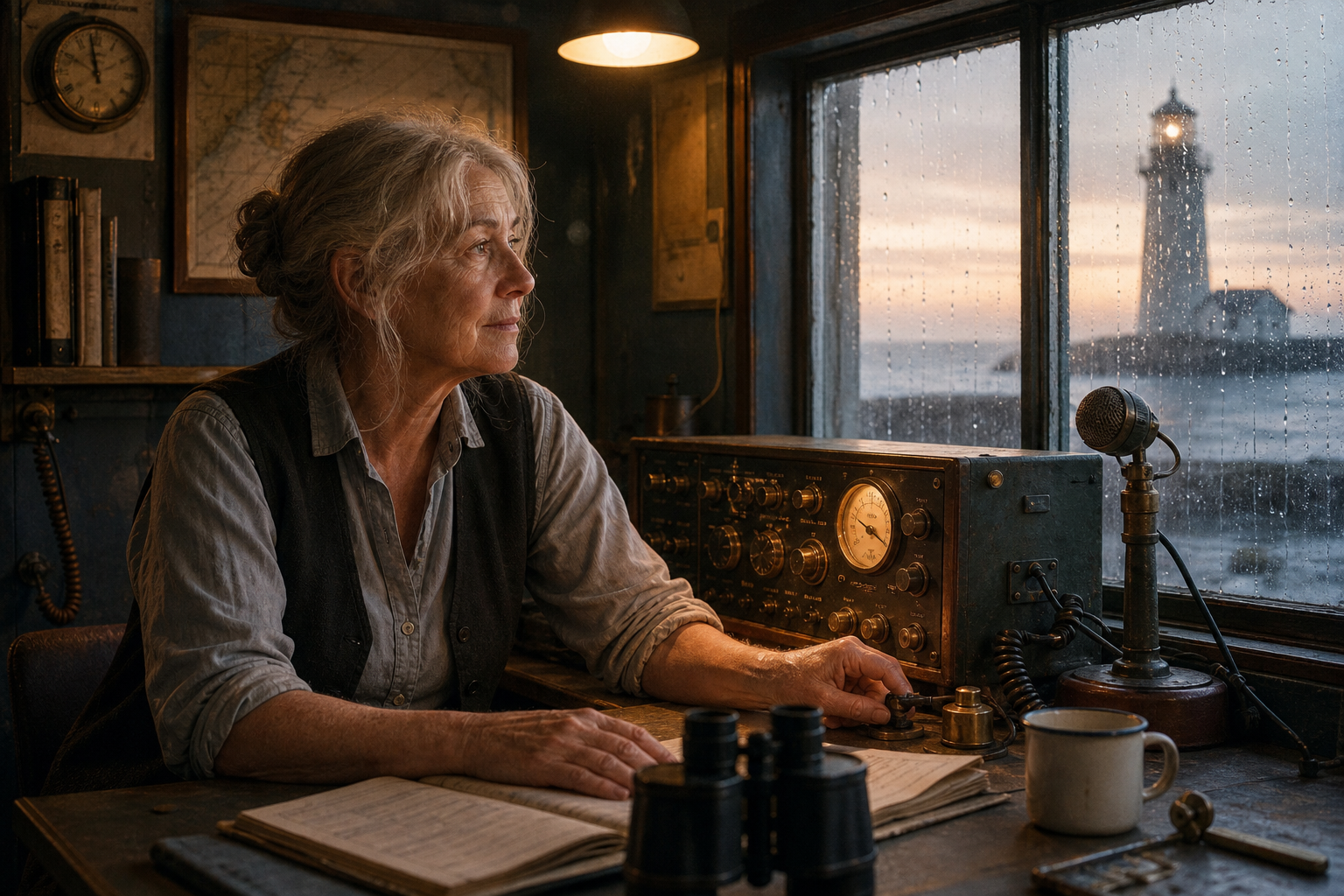
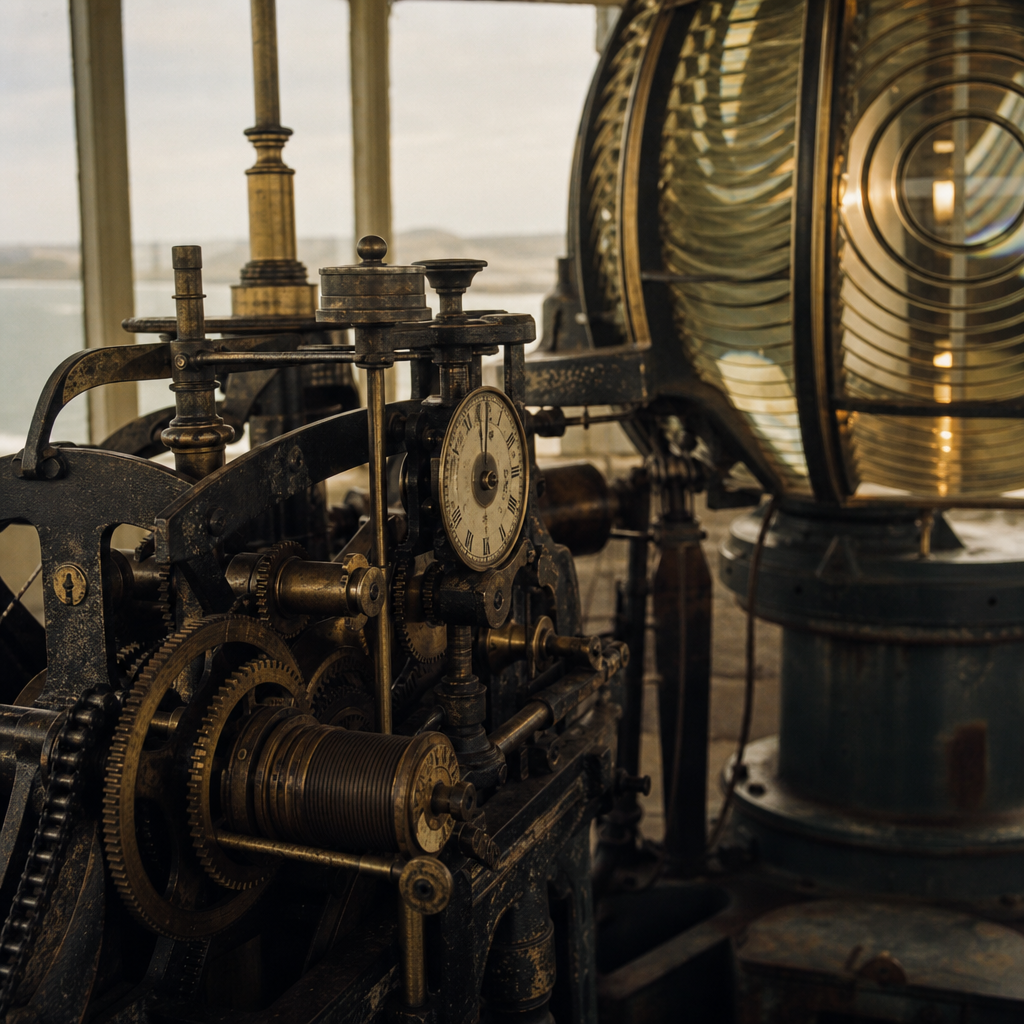
Lighthouse keepers sustained that reliability through long watches, fuel checks, lens cleaning, and storm repairs that could not be postponed. Their routine labor linked weather, trade, and survival, making each light less an isolated structure than a working promise to every vessel entering the coast.
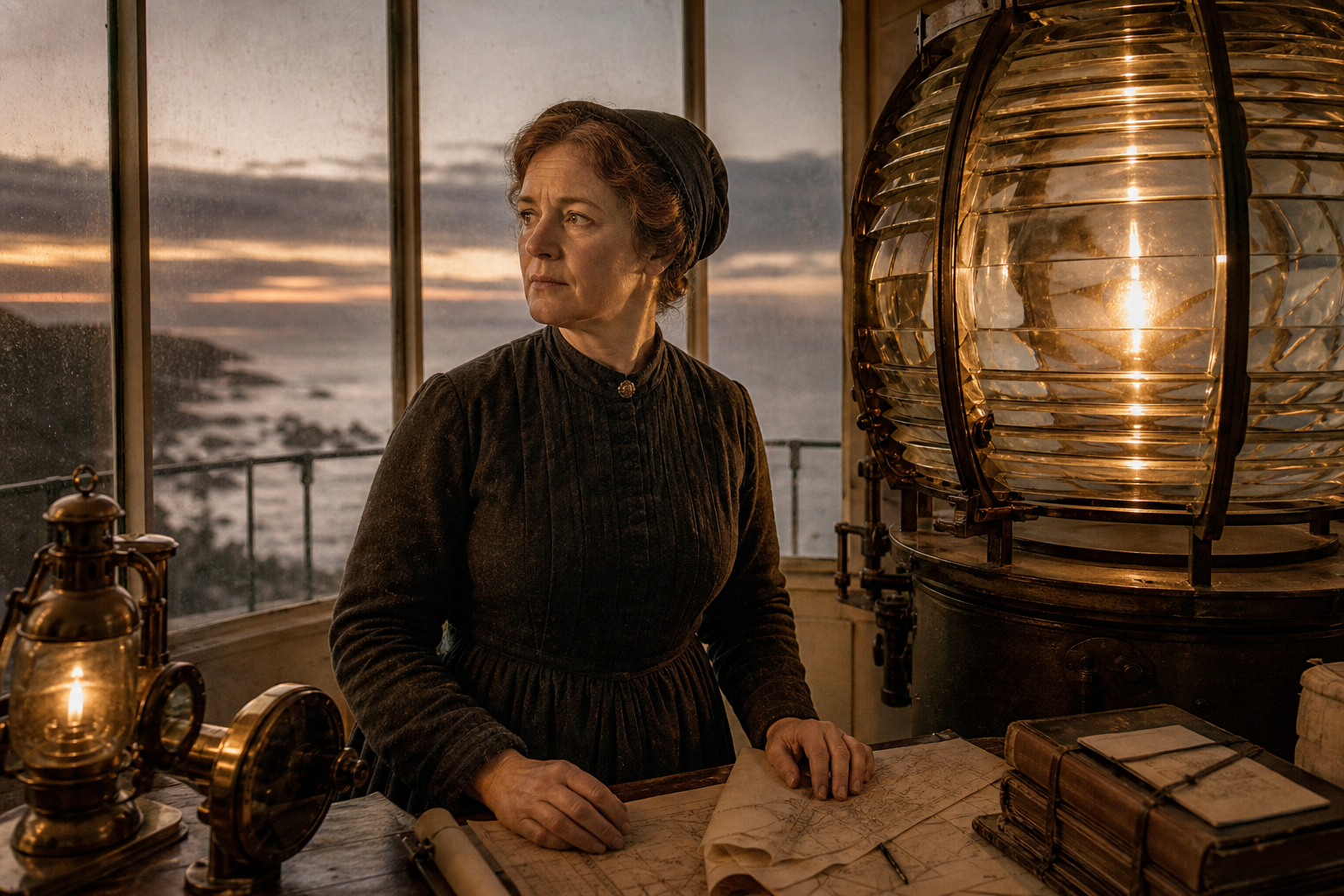
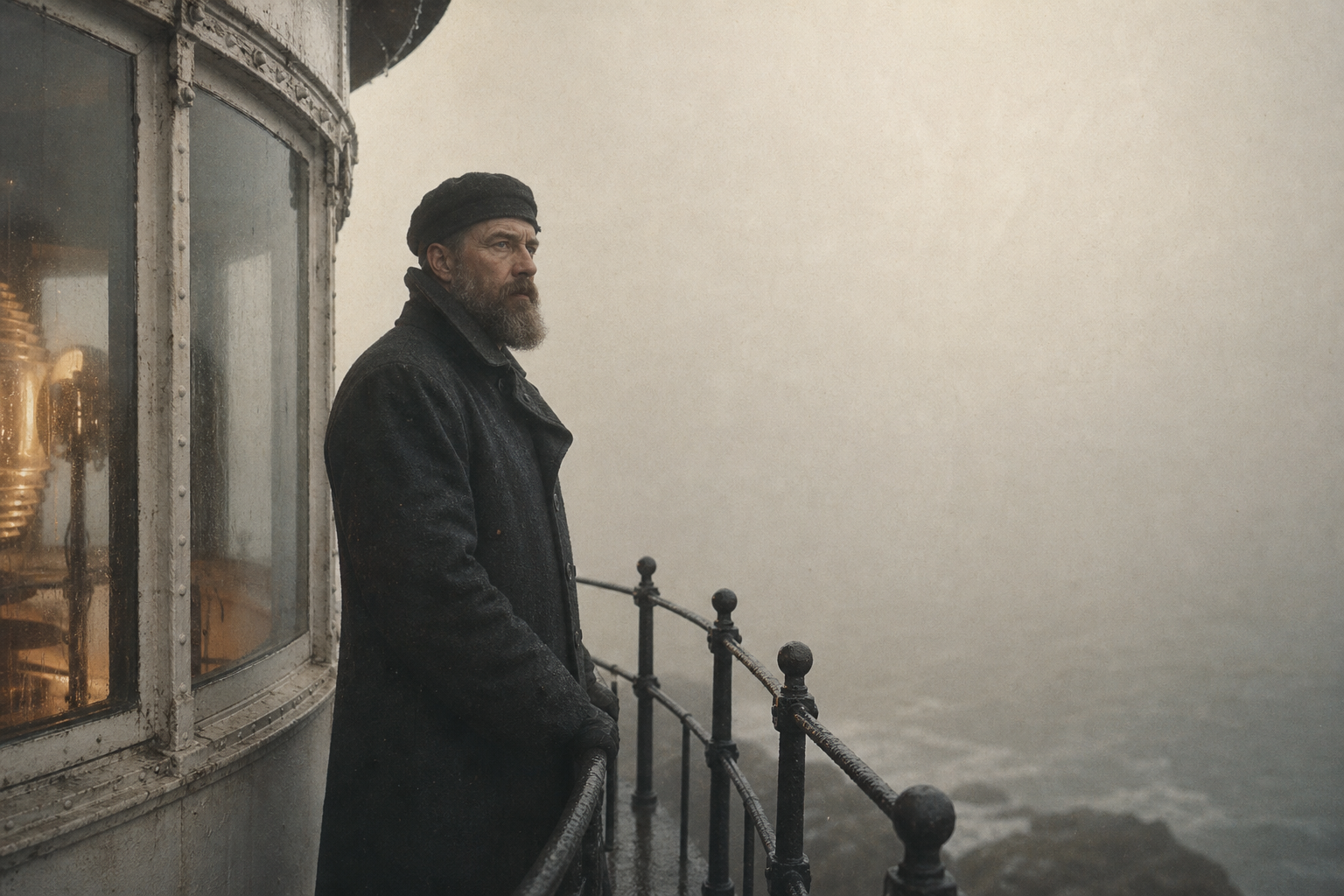
Heritage reference only · approximate preserved locations

Where the Towers Still Stand

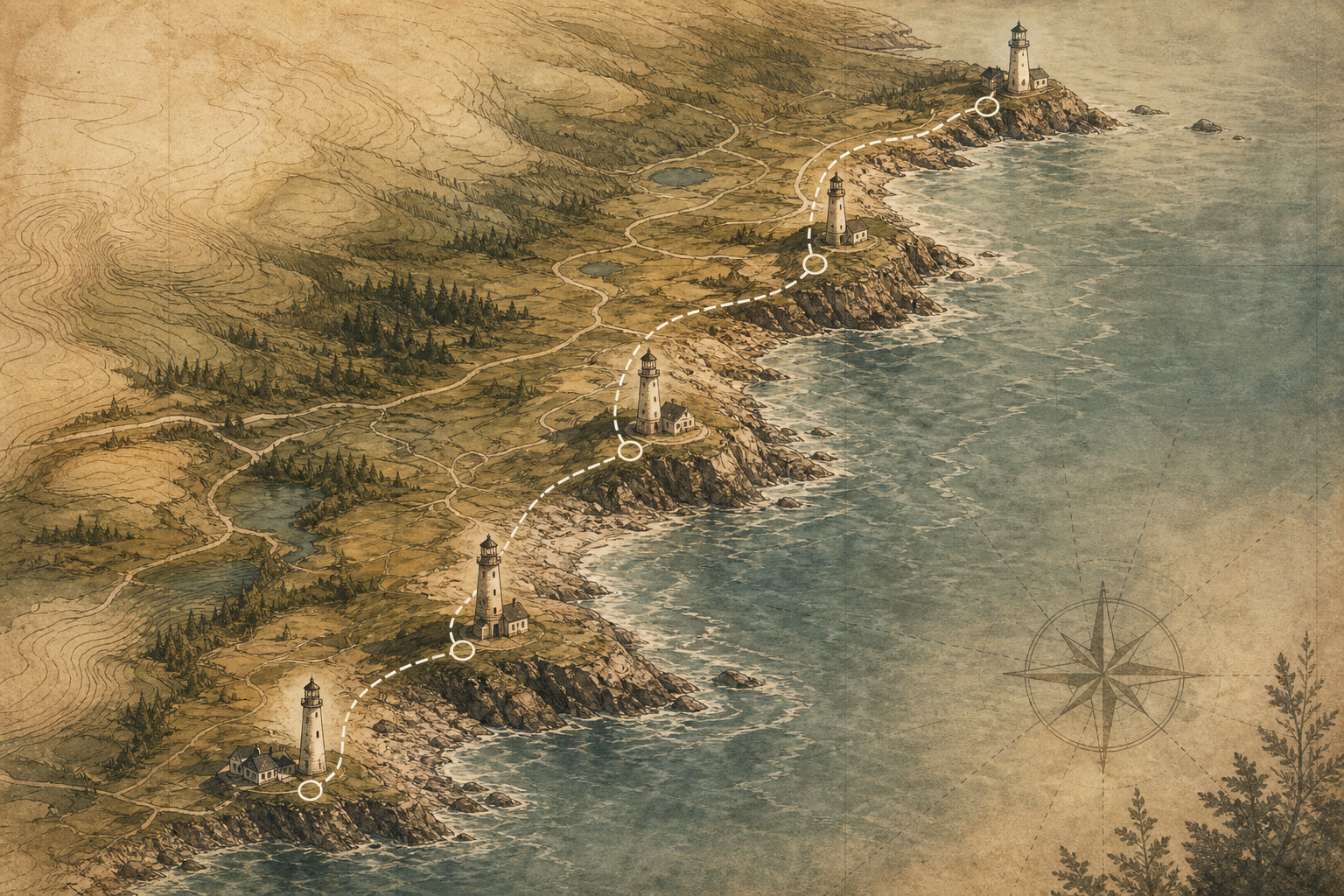
A route-minded archival view of surviving northern-coast towers, connecting historical records to the places you can still visit today.

Illustrated northern coast heritage route map with shoreline contours and preserved lighthouse positions

Editorial coastal route with highlighted preserved towers (not a live navigation map).

Visitor FAQ

Before You Visit or Explore Further

Practical notes on access, seasons, archival interpretation, and restoration—kept concise so your reading flow stays calm.

What counts as a preserved tower?

A preserved tower is a lighthouse structure that still stands with documented conservation work, even if lighting systems, interiors, or surrounding buildings have changed over time.

Are lighthouse interiors always open to visitors?

No. Many towers open only on guided days or seasonal weekends, and some remain exterior-view sites due to safety, staffing, or conservation limits.

What are the best seasons for a northern coastal visit?

Late spring through early autumn is most reliable for access and weather; winter visits can be striking but often involve wind closures and reduced site hours.

Do archival photographs and current views differ significantly?

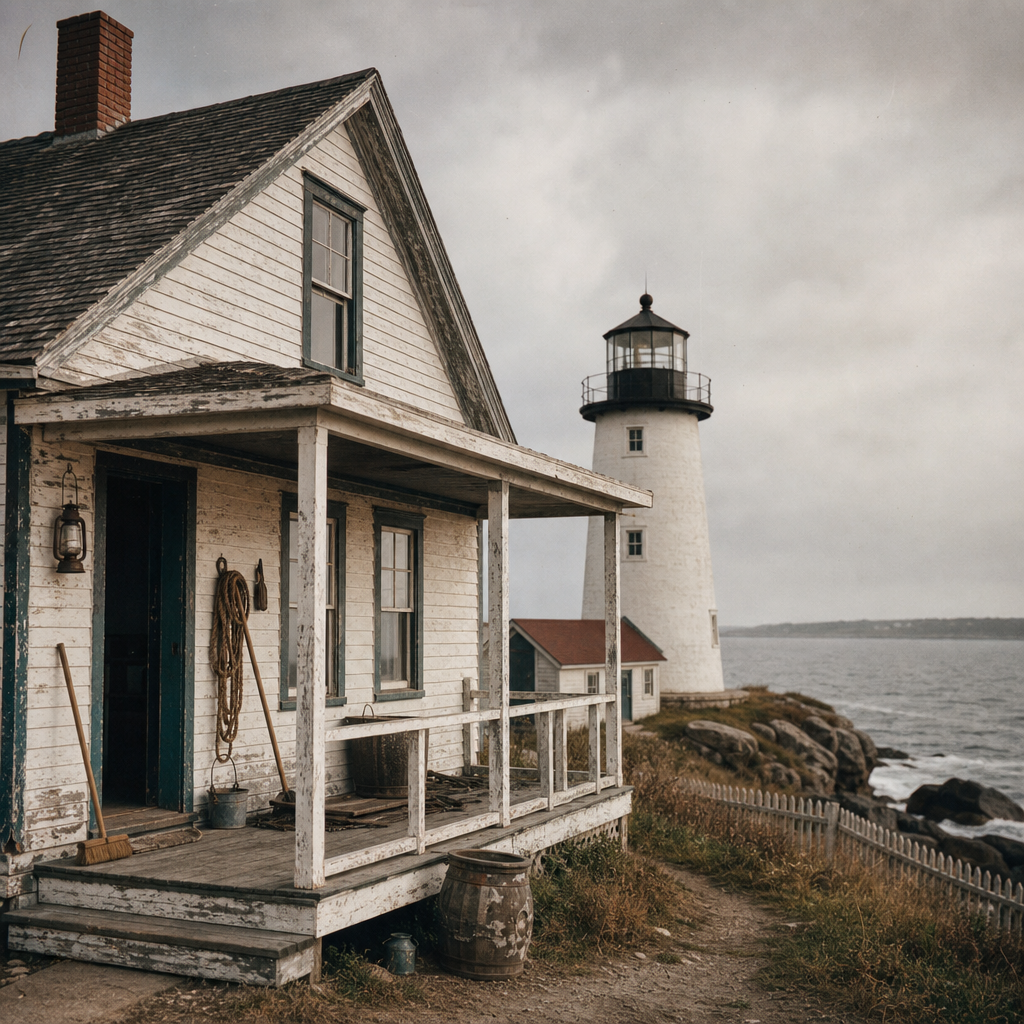
Often yes: coastlines shift, service buildings disappear, and lens rooms are altered. The tower profile usually remains recognizable, but context around it may look very different.

Does restoration reduce historical authenticity?

Good restoration aims to preserve authenticity by documenting interventions, retaining original fabric where possible, and making necessary repairs legible rather than pretending nothing changed.